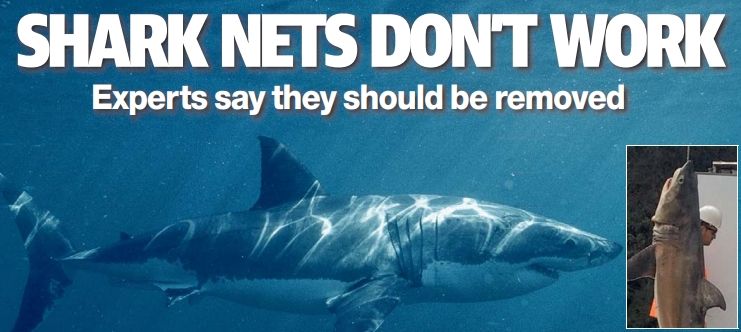
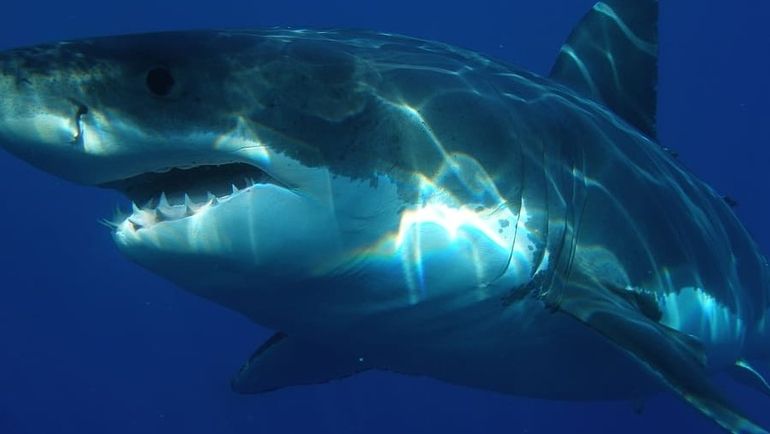
In a heartbreaking turn of events, a man fell victim to a fatal great white shark attack off Sydney’s Little Bay beach in Australia. The swimmer’s last moments were fraught with cries for help as he valiantly tried to fend off the shark’s assault, but tragically succumbed to the attack.
Shark attacks on humans have seemingly become more frequent in recent years, prompting concerns and debates about the coexistence of humans and marine predators. However, experts emphasize that statistically, even bees pose a greater threat to humans than sharks.
The harrowing incident unfolded on a day bustling with beachgoers, including swimmers, kayakers, and fishermen, enjoying the tranquil waters of Little Bay beach. Suddenly, the idyllic scene was shattered by a chilling scream echoing across the shoreline. Witnessing the shocking spectacle, onlookers saw the powerful jaws of a great white shark claim the life of the unfortunate swimmer. A courageous bystander managed to capture the heart-wrenching attack on video, which revealed the shark’s ferocious speed as it lunged through the water, staining the sea crimson with blood.
In the aftermath of the incident, rescue teams quickly mobilized, deploying boats, helicopters, and jet skis in a frantic search for the swimmer’s remains. Despite their heroic efforts, the outcome was devastating. The New South Wales Police confirmed that they recovered the victim’s body and parts of his wetsuit from the water. Tragically, the shark had inflicted severe injuries, making any rescue efforts futile.
Authorities have been monitoring the global trends of shark attacks on humans. Recent reports from the Florida Museum of Natural History and the American Society for the Study of Platefishes have highlighted an increase in shark-human encounters worldwide. Their statistical analysis revealed that in the past year, there were 73 recorded shark attacks on humans, up from the previous year’s count of 52. Among these incidents, 11 resulted in fatalities, with 9 of them categorized as unprovoked attacks. Notably, Australia, New Caledonia, the United States, Brazil, New Zealand, and South Africa were among the locations where these tragic events occurred.
While these statistics are undoubtedly concerning, it is crucial to remember that shark attacks on humans remain relatively rare compared to other natural hazards. Nonetheless, understanding the factors influencing these encounters is vital for both human safety and the conservation of marine ecosystems.
As we reflect on this heartrending incident, it is essential to recognize that sharks play a critical role in maintaining the balance of marine life. Acknowledging their significance in the ocean’s intricate web of life can help foster greater respect and coexistence between humans and these majestic predators.
With the incident sparking discussions about beach safety and shark management strategies, researchers and policymakers will undoubtedly continue their efforts to find effective solutions. Encouraging public awareness, education, and responsible beach practices can minimize risks while preserving the natural wonders of our oceans.
In memory of the fallen swimmer, we must strive to strike a delicate harmony between our love for the seas and the inherent risks it holds. Embracing both caution and wonder, we can embark on a journey of understanding and appreciation for the vast realm that is our ocean. Through respectful coexistence, we can honor the beauty and diversity of marine life while safeguarding the precious gift of human life.