

Nurdles, also known as plastic resin pellets, are among the most common microplastic marine pollutants, posing a significant threat to the environment. These tiny plastic granules, each less than 5 mm in size, have been found littering beaches across the globe, from the coast of New Zealand to England. Unfortunately, hundreds of millions of nurdles end up in ocean waters, becoming a major hazard to marine life, causing harm to dolphins, turtles, whales, and numerous other marine species. This article delves into the dangers of nurdles and their impact on the environment, as well as the efforts being made to address this pressing issue.
Understanding Nurdles and Their Uses
Nurdles serve as essential building blocks in the plastic industry, manufactured by petrochemical companies for various purposes. They play a crucial role in the production of plastic products, including plastic bottles, containers, bags, and pipelines. However, their small size and lightweight nature make them easily prone to spills and leaks during transportation and handling, leading to extensive environmental pollution.
The Devastating Impact of Nurdles on Marine Life
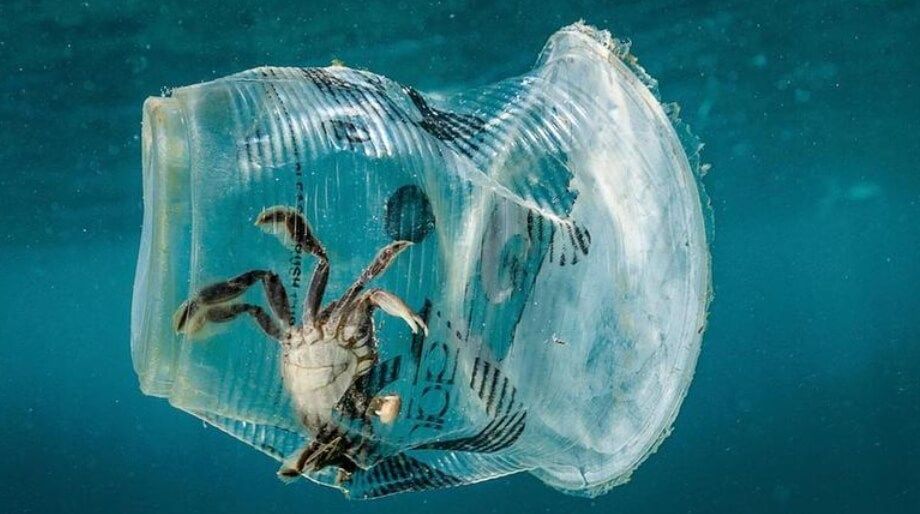
The environmental danger of nurdles lies in their resemblance to food particles, making them easily mistaken for prey by marine creatures. The ingestion of nurdles by marine life can have fatal consequences, causing internal injuries, poisoning, and even death. Marine animals, ranging from small fish to large whales, suffer from the ingestion of these plastic granules, leading to severe disruptions in the marine ecosystem and endangering various species.
X-Press Pearl Disaster and the Urgent Call for Regulation
In May 2021, a major maritime disaster occurred when the container ship X-Press Pearl sank in the Indian Ocean. The ship’s sinking resulted in the release of billions of nurdles, which subsequently washed up on the shores of Sri Lanka. This incident was recognized by the United Nations as one of the worst maritime disasters in Sri Lanka’s history, with approximately 1,680 tons of nurdles entering the ocean waters.
Following the X-Press Pearl disaster, Sri Lankan authorities called upon the International Maritime Organization (IMO) to take immediate action in regulating and coordinating the handling and transportation of plastic pellets. The incident highlighted the urgency of tackling the nurdle pollution issue through robust international measures, as voluntary initiatives by the plastic industry proved insufficient to prevent such devastating incidents.

The Push for Environmental Regulation
In 2022, the danger of nurdles for the environment remained a pressing concern. The International Maritime Organization (IMO) acknowledged the gravity of the issue and tasked pollution experts with exploring viable options to mitigate the environmental risks associated with the maritime transportation of plastic pellets. The group of experts was set to present its findings at an IMO meeting scheduled for April 2023.
Insurance Companies’ Involvement
Beyond regulatory efforts, insurance companies have also recognized the environmental risks posed by nurdles. Jörg Asmussen, the chief executive of the German Insurance Association, expressed concerns about the long-term environmental damage that a single plastic granule lost overboard could cause. The potential threat to coastal biodiversity further underscores the need for stringent regulations and responsible handling practices regarding nurdle transportation and storage.
The widespread presence of nurdles in marine environments poses a significant threat to the delicate balance of ocean ecosystems and the survival of marine life. Their small size and environmental persistence make them a formidable pollutant that requires immediate and effective action. The engagement of international organizations, like the International Maritime Organization, as well as insurance companies, underscores the collective responsibility to address the dangers of nurdles and implement measures to safeguard the health and sustainability of our oceans. Only through coordinated efforts can we hope to mitigate the environmental impact of nurdles and protect the precious marine life that depends on healthy ocean ecosystems.