

Tag: Watersipora Subatra
Dive into the intriguing world of the marine bryozoan species Watersipora Subatra, a captivating and ecologically important organism found in marine habitats worldwide. Belonging to the phylum Bryozoa, Watersipora Subatra comprises colonial animals that form unique and intricate structures called bryozoan colonies. These colonies consist of numerous tiny individuals, called zooids, which collaborate to build a collective home, creating stunning encrustations and branching formations on underwater surfaces.
Watersipora Subatra’s ecological role extends beyond its captivating appearance. These bryozoan colonies serve as essential habitat for various marine organisms, providing shelter, substrate, and foraging grounds for small invertebrates and juvenile fish. The colonies also contribute to reef-building processes, enhancing the structural complexity and resilience of marine ecosystems.
While Watersipora Subatra plays a crucial role in supporting marine biodiversity, it can also present challenges in certain scenarios. In some regions, Watersipora Subatra can become invasive, outcompeting native species and altering local ecosystems. Therefore, understanding the ecological dynamics of this species is essential for effective marine management and conservation.
Researchers and marine enthusiasts worldwide are continuously studying Watersipora Subatra to unravel its ecological interactions, distribution patterns, and potential impacts. By deepening our knowledge of this enigmatic species, we can develop strategies to promote its positive contributions to marine ecosystems while mitigating any adverse effects in invaded areas.
Watersipora Subatra’s captivating presence in marine environments serves as a reminder of the intricate relationships between organisms and their surroundings. As we continue to explore and appreciate the wonders of the underwater world, let us embrace the mission to safeguard these delicate ecosystems, ensuring a thriving future for Watersipora Subatra and all the marine life that depends on it.
-
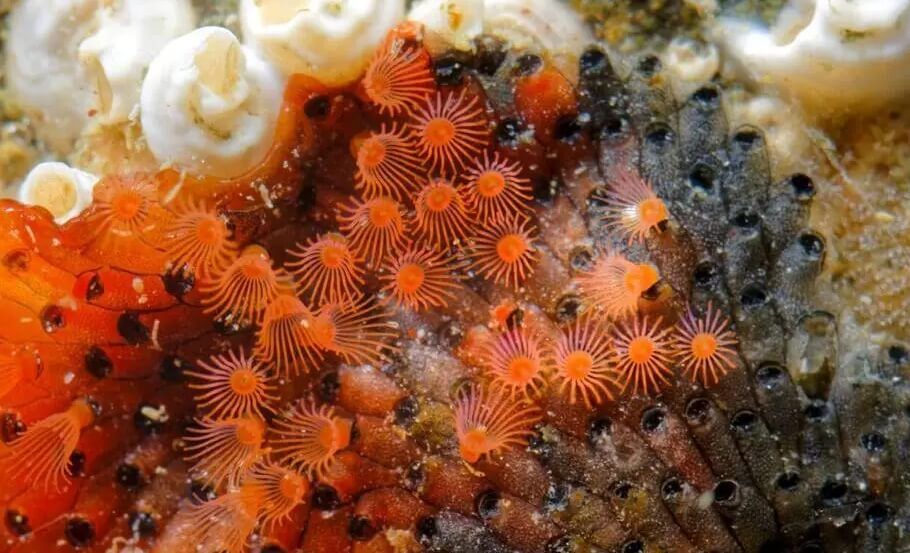
Science Images: Do These Strange ‘Moss Animals’ Threaten the Ecological Balance of the Oceans?
Category: Science & EnvironmentRead More: Science Images: Do These Strange ‘Moss Animals’ Threaten the Ecological Balance of the Oceans?Originally from Japan, Watersipora subatra is gradually invading oceans and seas worldwide. The introduction of a species into a new ecosystem can sometimes lead to irremediable ecological imbalances. In the marine environment, the consequences can be serious due to the difficulty of intervention. There are some spectacular examples, such as the tropical green algae Caulerpa…
Search
Popular Posts
-
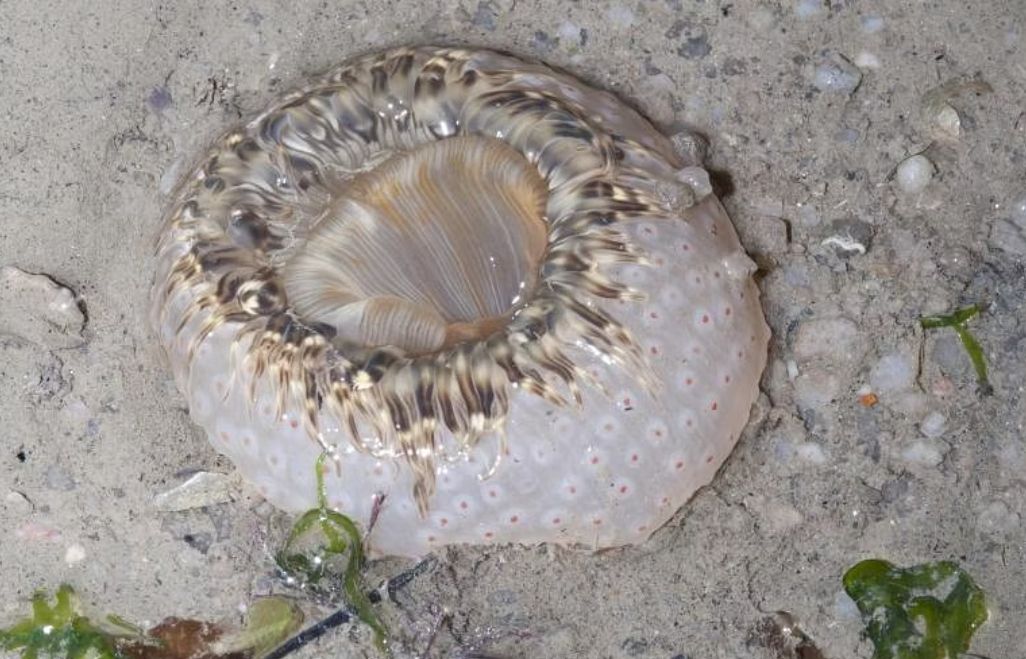
Tiger Anemone Discovered in Singapore Confirmed as New Species after a Decade of Research
Hidden amidst the sands of Changi’s shoreline, a sea anemone bearing a resemblance to a light-colored strawberry has recently been recognized as a novel species by local researchers. Unveiling the Mysteries of the Tiger Anemone Dubbed the “tiger anemone” due to its distinctive striping and its aptitude to consume prey larger than its size, the… READ MORE >>>>
-
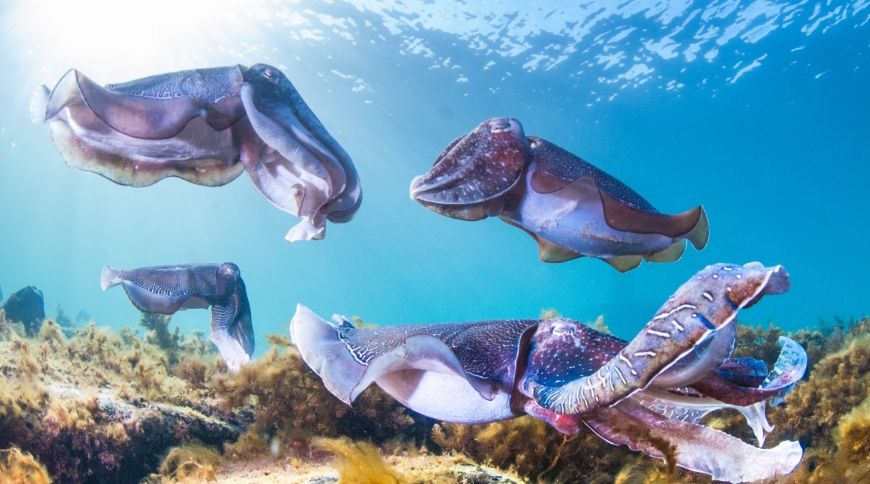
Exploration Team Ventures into South Australia to Observe Giant Cuttlefish Mating Season
A Breathtaking Natural Event Witnessed by Researchers Andi Cross & Janine Barker Having lived in Australia for five years and immersed myself in its oceanic environment, it was inevitable that I would hear stories about South Australia. Splitting opinions, half the people I engaged with were captivated by this oceanic realm, while the other half… READ MORE >>>>
-
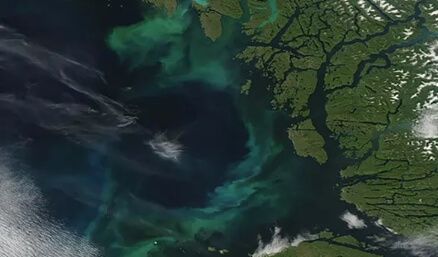
Study Suggests Climate Breakdown is Altering the Color of World’s Oceans
New research suggests that Earth’s oceans are experiencing a shift in color, and climate breakdown is likely the driving force behind this phenomenon. The once deep blue sea is gradually transforming into a greener hue, particularly in low latitude regions near the equator. The Significance of Ocean Color “The significance of this issue lies not… READ MORE >>>>
Categories
Archives
Tags
Acoustic Telemetry (1) Ancient Marine Arthropods (1) Antarctic Krill (1) Aquaculture (2) Artificial Insemination (1) Australia (6) Bamboo White-Spotted Sharks (1) Beach Culture (1) Bioplastic (1) Bryozoans (1) Channel and Atlantic Coasts (1) Climate Change (5) Climate Change Impact (1) Conservation (6) Coogee Island Challenge (1) Coral Bleaching (1) Coral Reefs (2) Culture (1) Ecological Imbalance (1) Endangered Species (2) Environmental Advocacy (2) Environmental Research (1) Eurypterids (1) Fatal Shark Attack (1) Fisheries (2) Fisheries Management (1) Fishing Moratorium (1) Fish Tagging (1) Food Supplies (1) Fossil (1) Global Warming (3) Global Warming Effects (1) Global Warming Impacts (1) Great Barrier Reef (1) Great White Shark (1) Hibbertopterus lamsdelli (1) Human Food Supply (1) Industrial Fishing (1) International Maritime Organization (1) Invasive Species (2) Island (1) Little Bay Beach (1) Lobster Tracking (1) Macroalgae (1) Malabar Beach (1) Marine Biodiversity (4) Marine Biology (3) Marine Conservation (3) Marine Ecology (9) Marine Ecosystem (3) Marine Ecosystems (3) Marine Environment (1) Marine Life (8) Marine Pollution (1) Marine Renewable Energy (1) Marine Wildlife (2) Microorganisms (1) Microplastics (2) Moon Phase (1) New Mexico (1) Northern Territory (1) Nurdles (1) Ocean Conservation (3) Ocean Health (1) Oceans (1) Paleontologists (1) Pelagic Environment (1) Phytoplankton (2) Plastic Resin (1) Pollution (1) Public Education (1) Public Perception (1) Quarantine (1) Rat (1) Scientific Conference (1) Seabed Mining (1) Sea Life Sydney Aquarium (1) Sea Scorpion (1) Seaweed (1) Shark Attack (2) Shark Attacks (3) Shark Behavior (1) Shark Bite Prevention (1) Shark Breeding (1) Shark Control Programs (1) Shark Cull (1) Shark Culling (1) Shark Nets (4) Shark Safety (1) Shark Shields (1) Southern Ocean (1) Spain (2) Sustainable Practices (1) Swimmer (1) Sydney (1) Threatened Species (1) Threats to Ecosystems (1) Ulva (1) Watersipora Subatra (1) Western Australia (1)